A journey through the heart of Tuscia, passing Etruscan necropolises, cultivated hills, and the evocative site of Luni sul Mignone, ending in the historic village of Monte Romano.
This stage of the Cammino degli Etruschi connects Civitella Cesi to Monte Romano, offering a route through rural landscapes, archaeological sites, and ancient paths of Tuscia. The trail alternates between shaded sections, open fields, and volcanic hills, with gentle elevation changes and wide panoramic views.
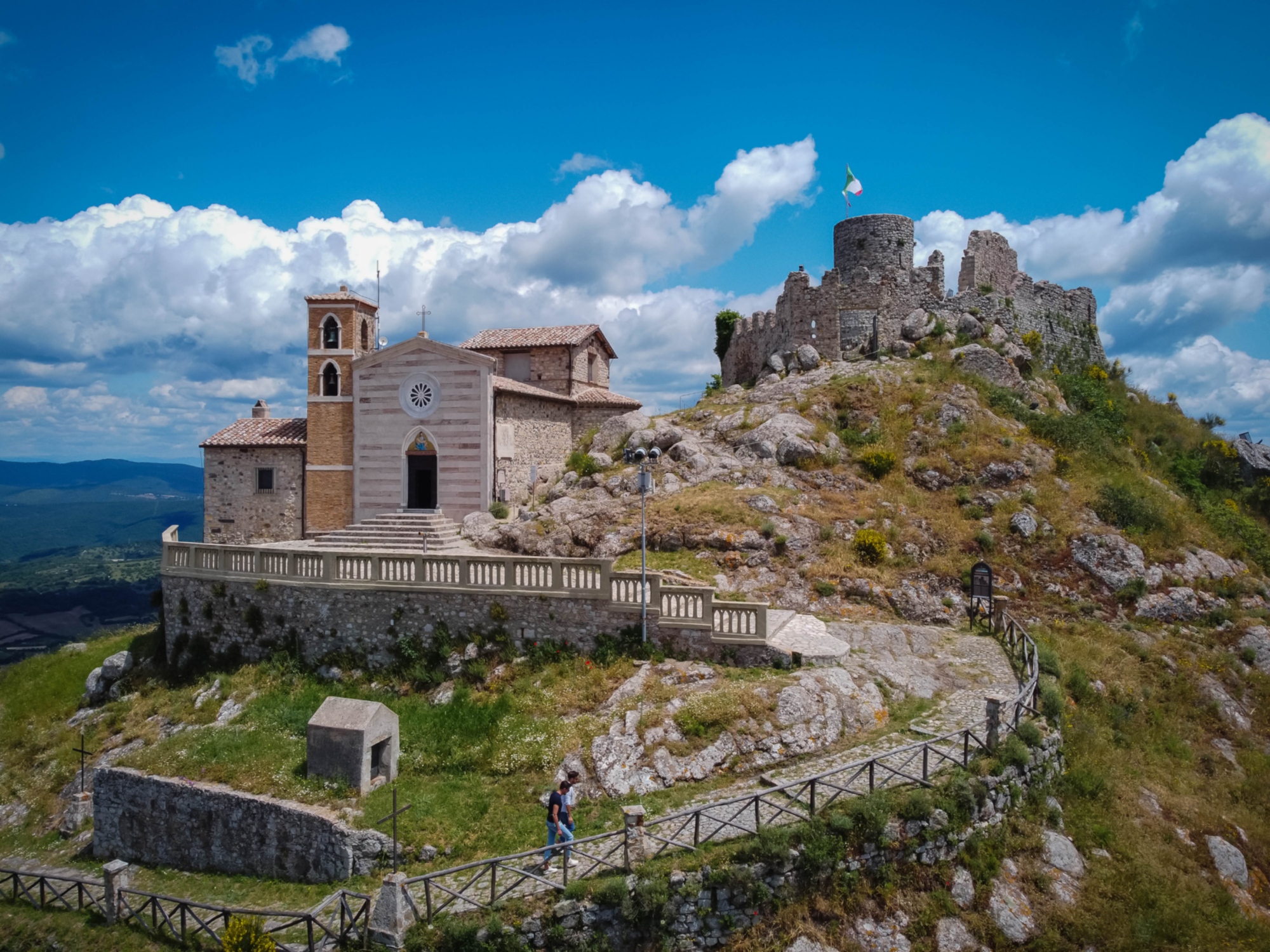
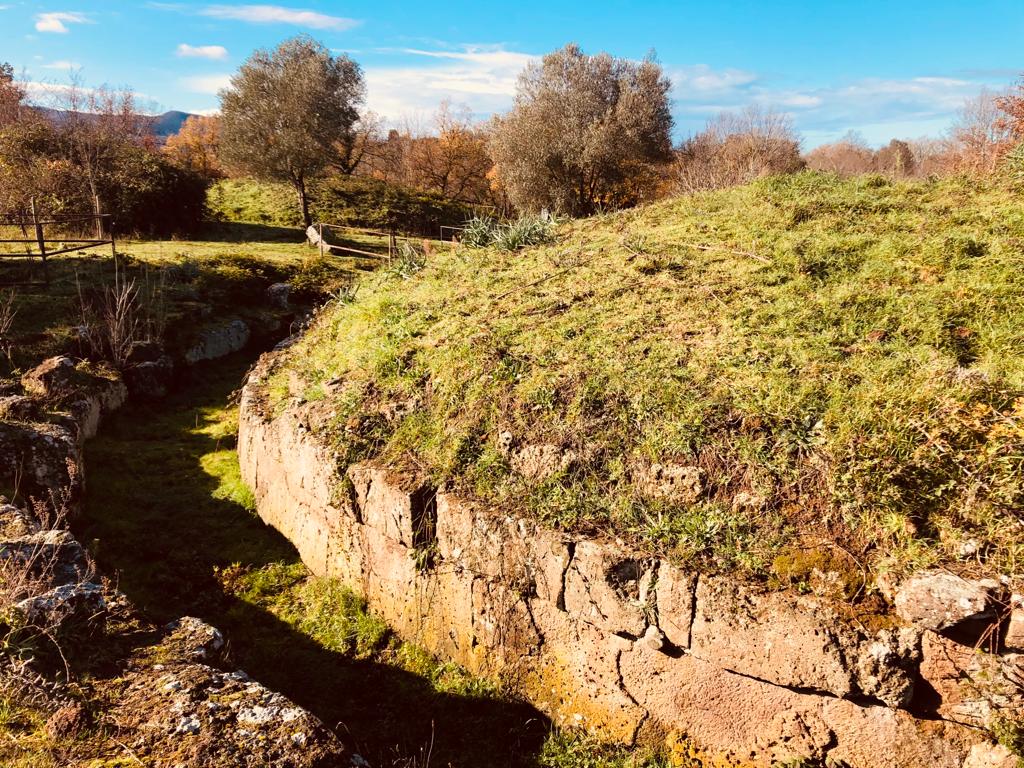
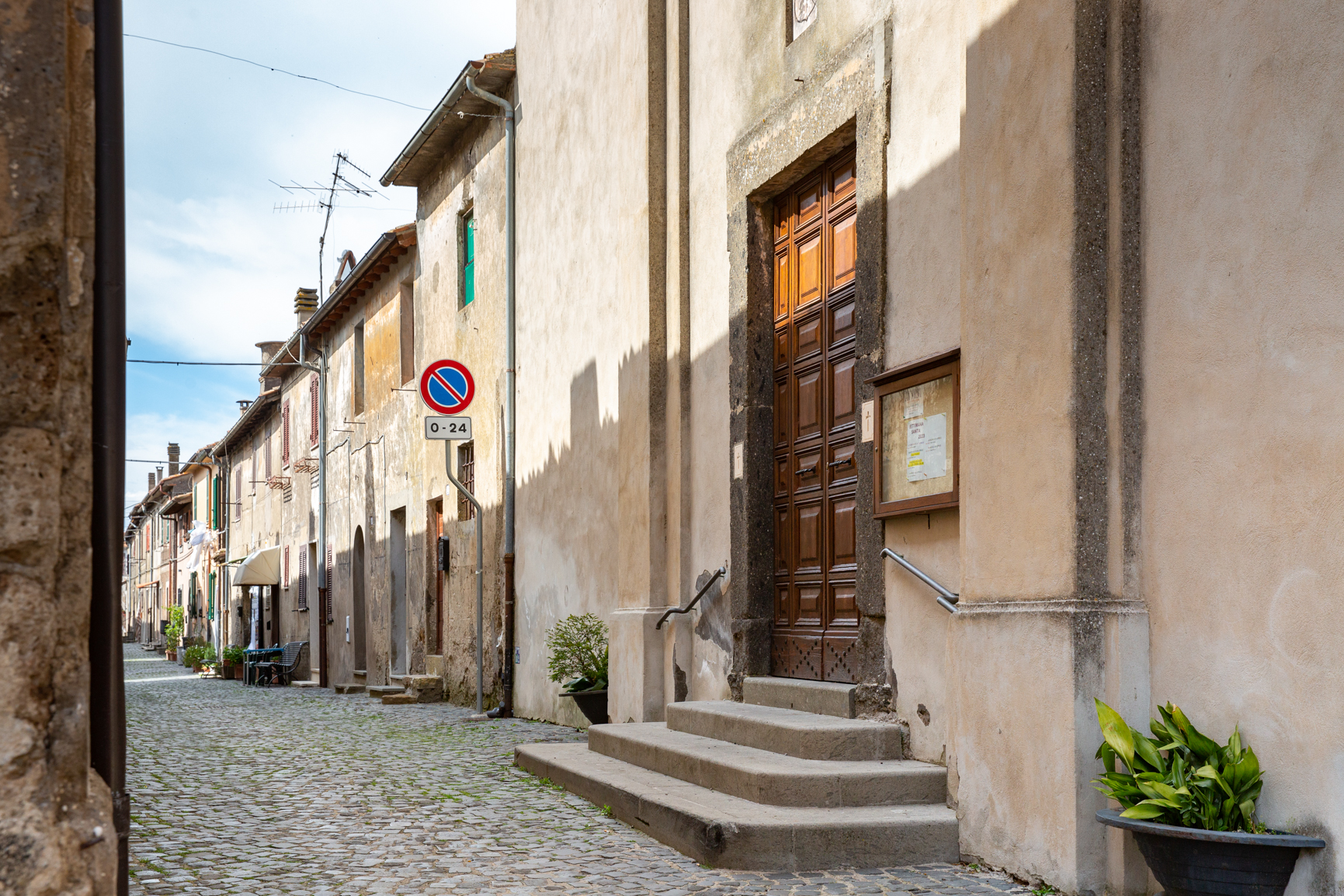
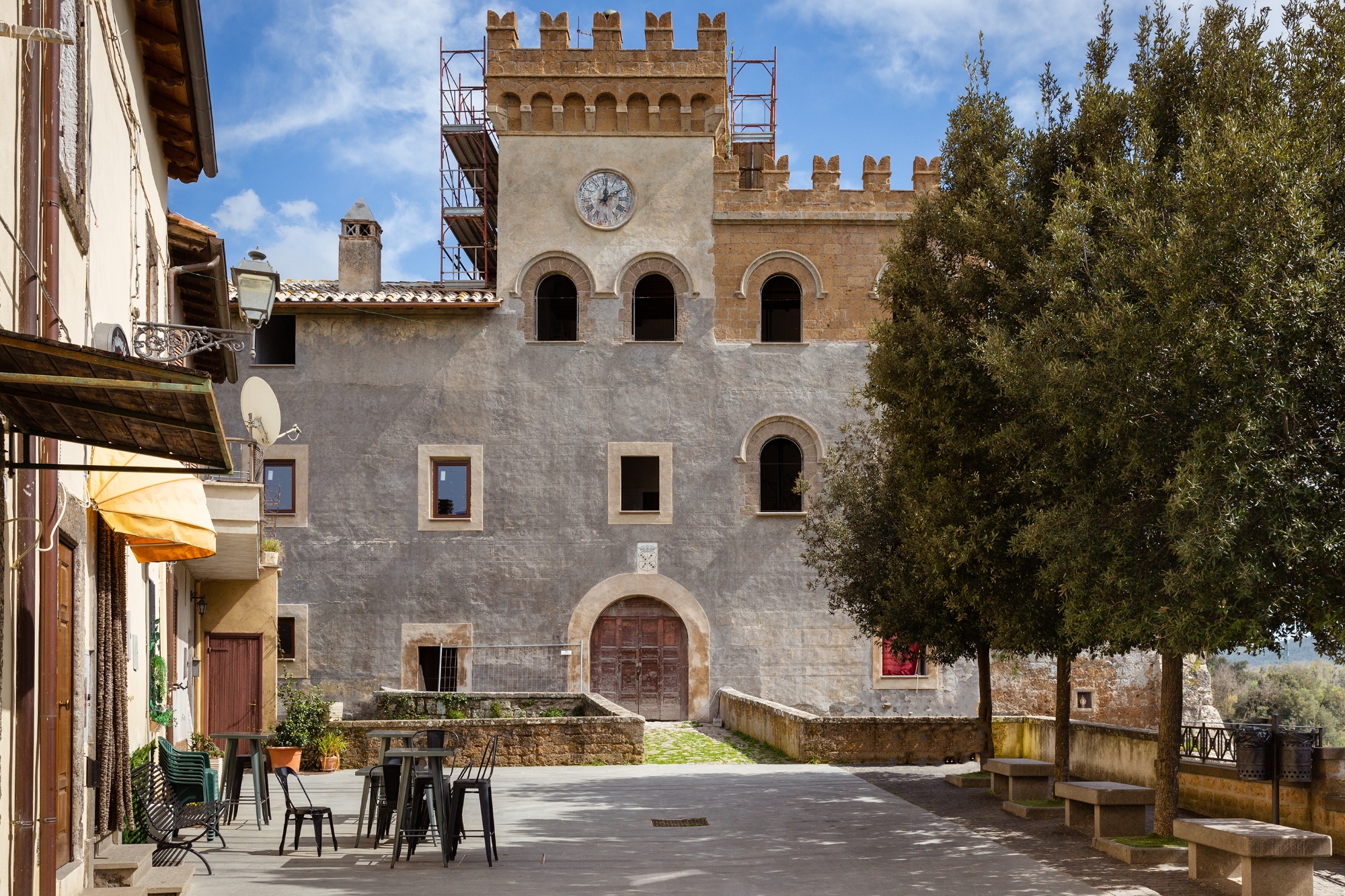
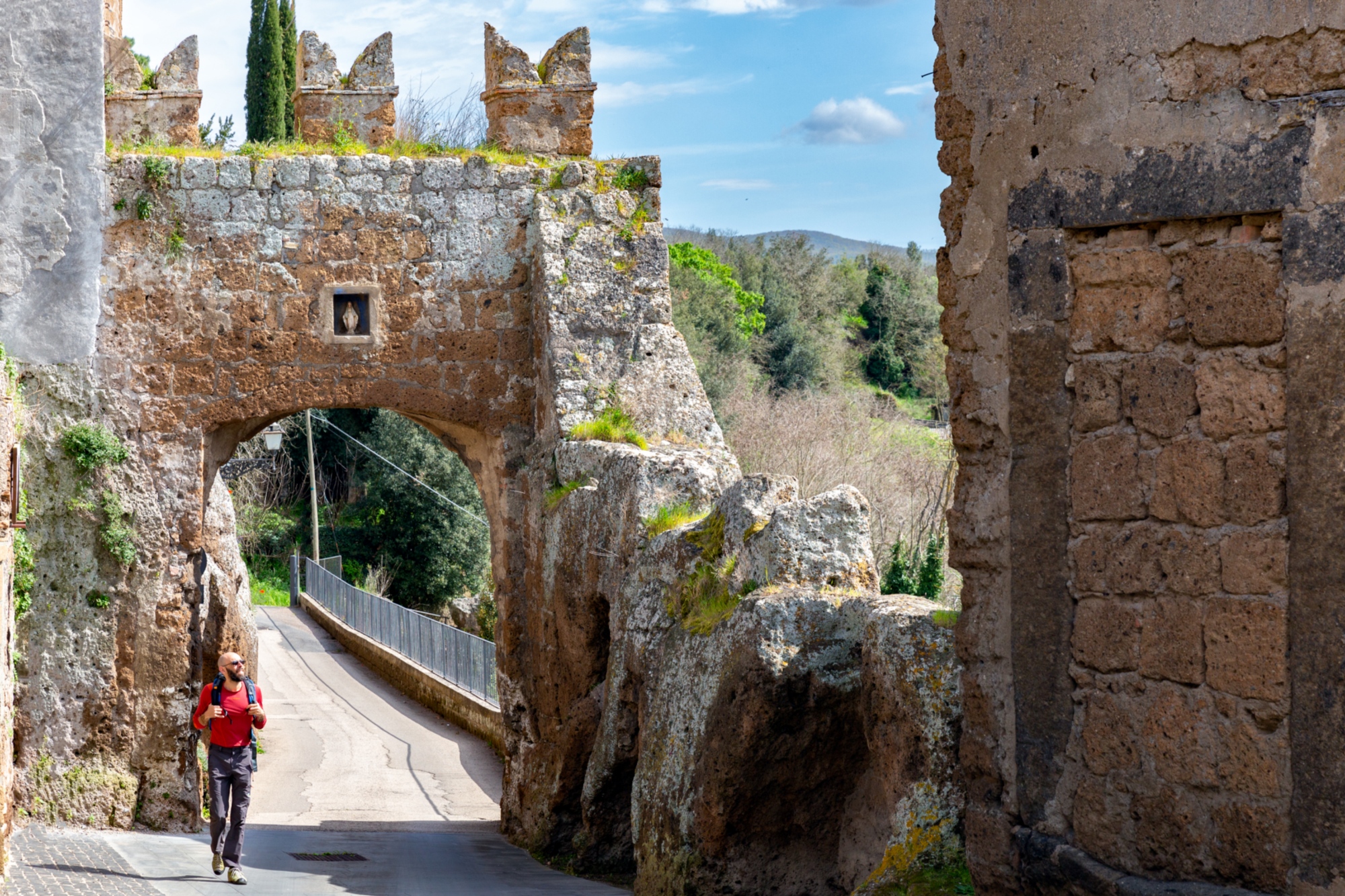
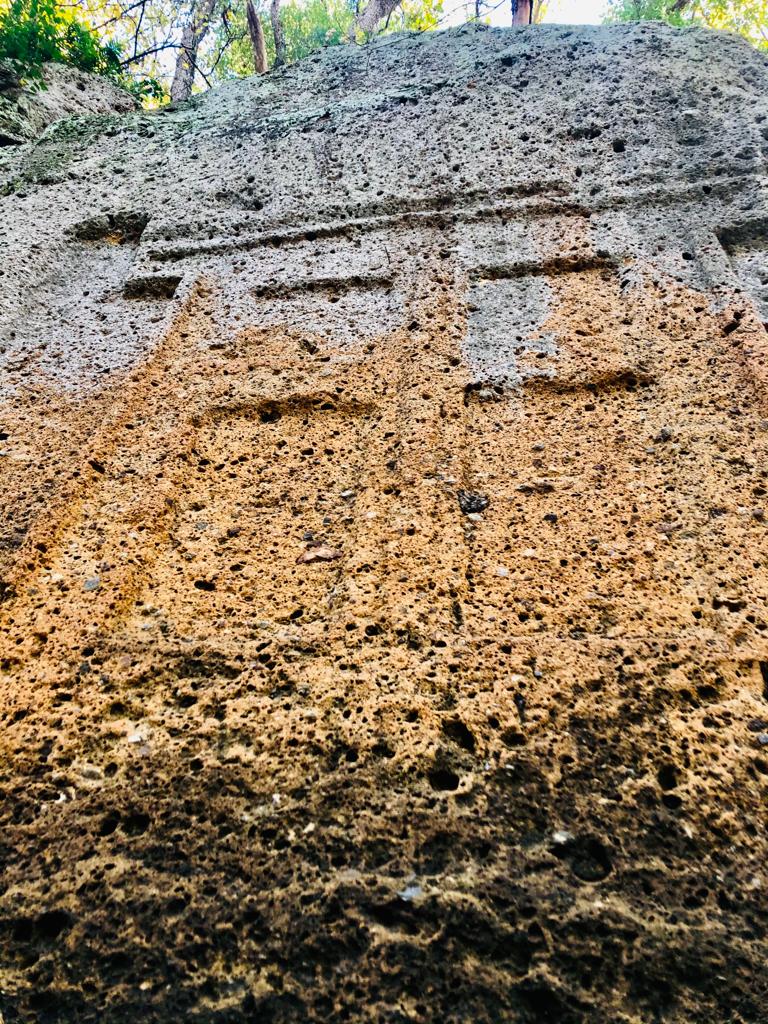
The hike begins in the medieval village of Civitella Cesi, dominated by Castello Torlonia. After a short stretch on asphalt, the route enters a more natural setting, reaching the San Giovenale necropolis, an Etruscan archaeological site with rock-cut tombs and the remains of ancient settlements.
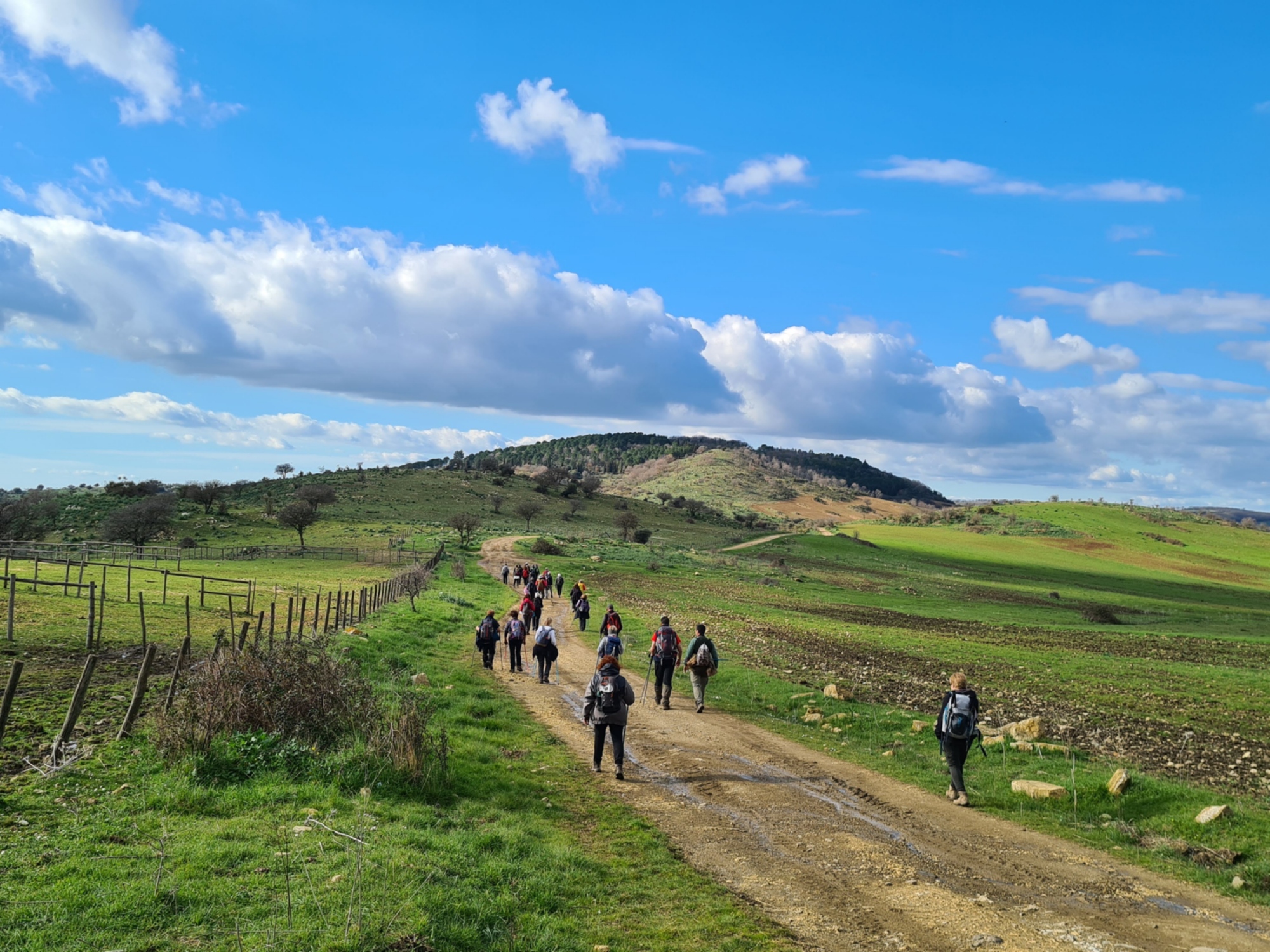
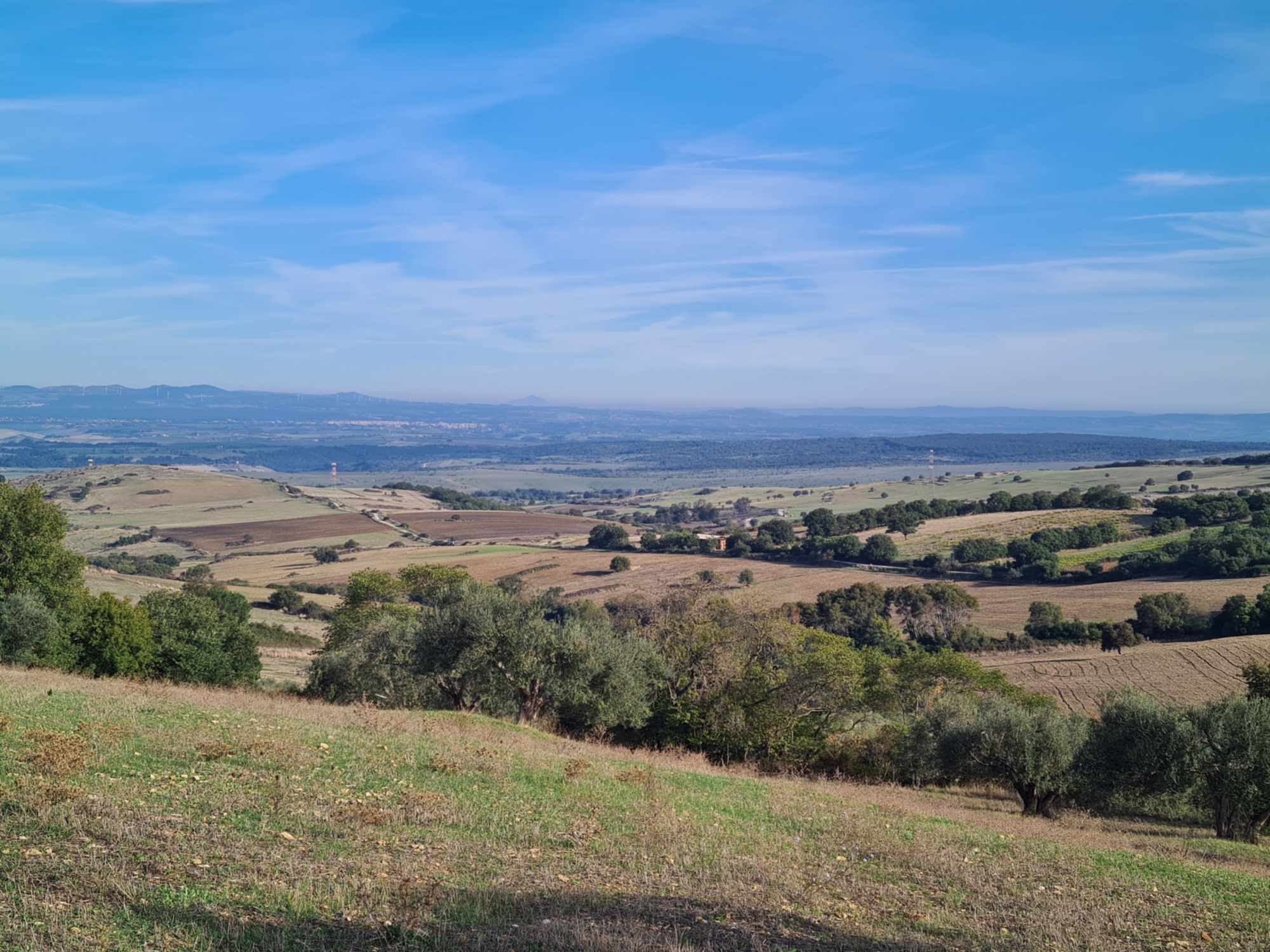
The trail continues along the Cammino di Tuscia 103, crossing a landscape shaped by farming and grazing, with cultivated fields, vineyards, and pastures dotted with lone trees. The volcanic soil is generally firm and well-drained, though some segments may become muddy after heavy rain.
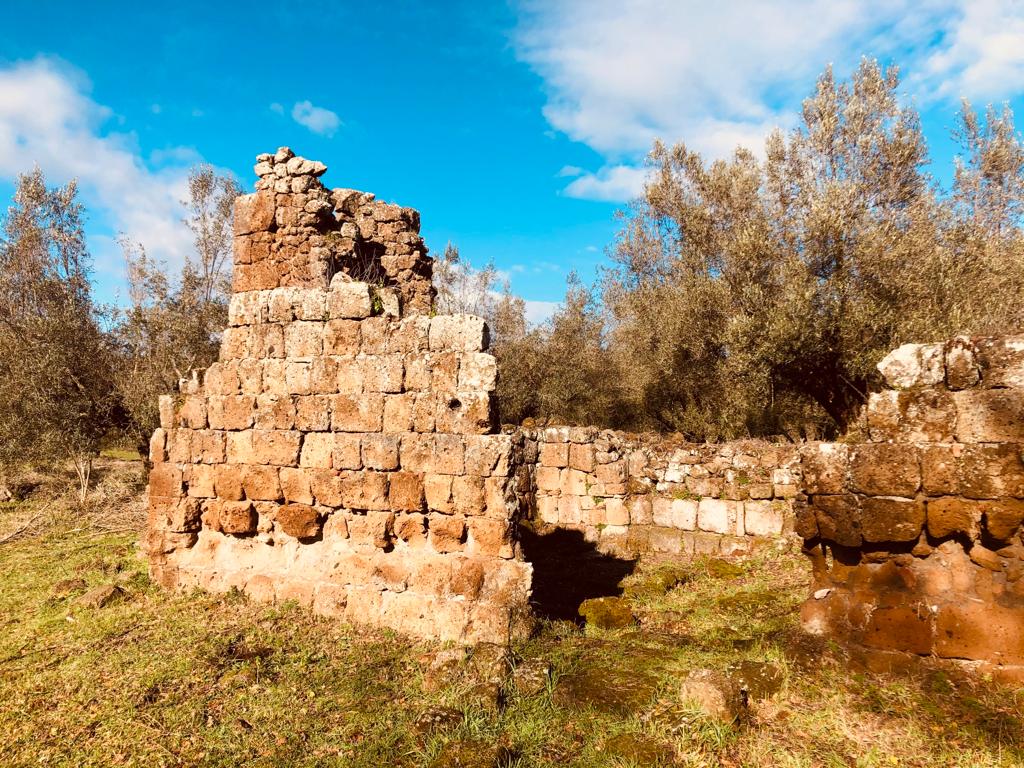
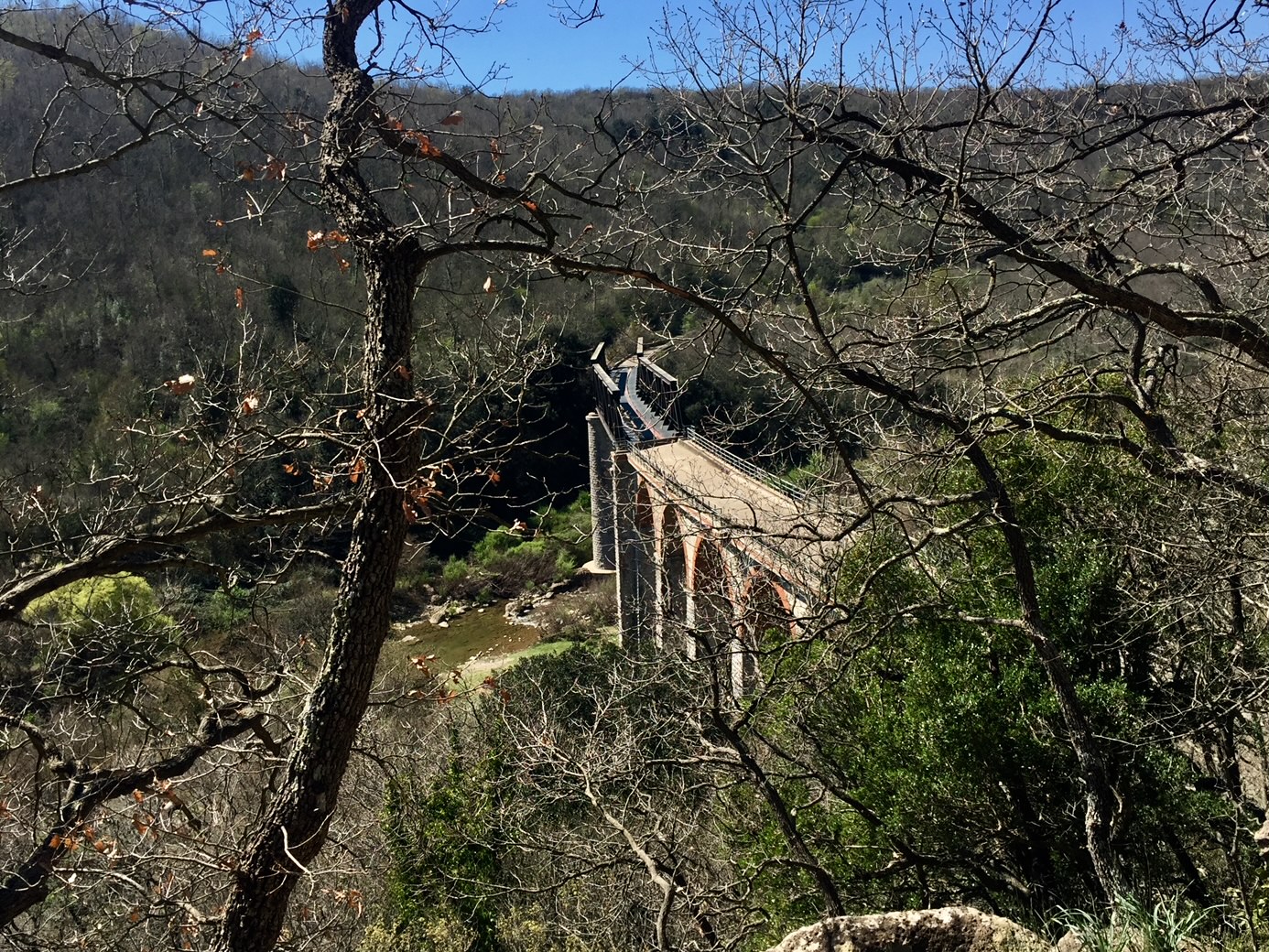
About halfway along the route, you’ll reach Luni sul Mignone, a fortified Etrusco-Roman settlement. The ruins rise from a tuff hill overlooking the valley, offering both a fascinating glimpse into the past and an ideal scenic rest stop.
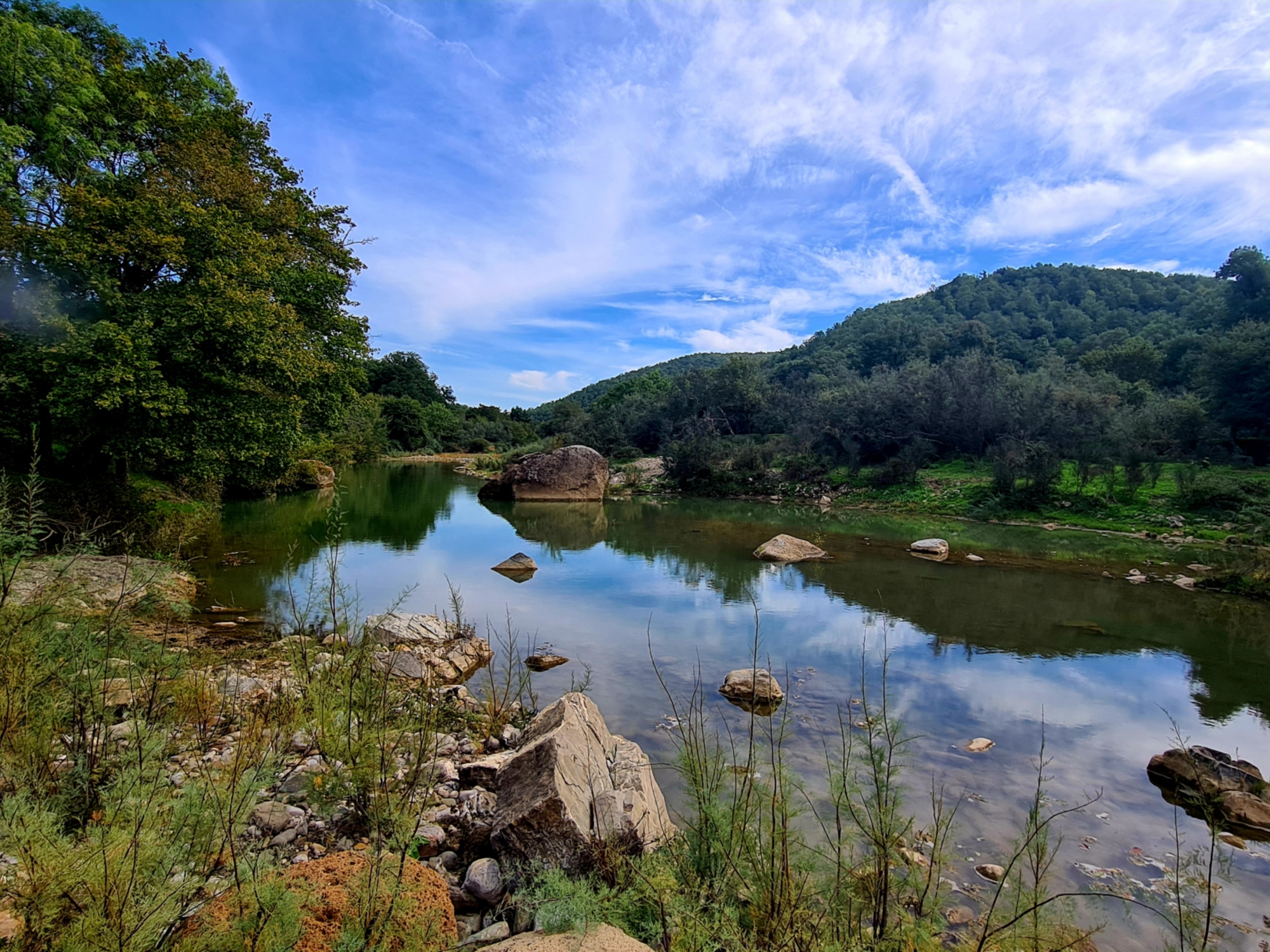
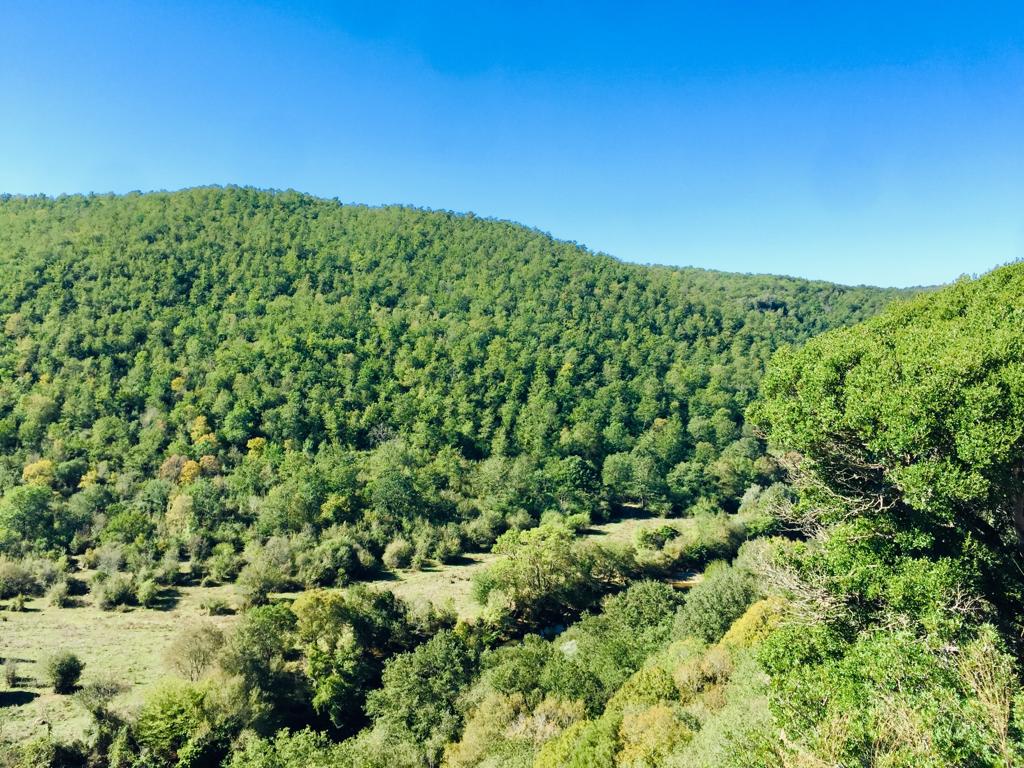
Past Monte Fortino, the trail begins to climb toward Monte Romano, through a landscape alternating Mediterranean scrubland and open clearings, where the land retains a wild and authentic character. As you pass through the Parco di Poggio della Rotonda, the trail opens out onto a wider valley where the Mignone River flows through flatter terrain.
The final stretch leads you into Monte Romano, a historic village with deep agricultural and pastoral roots. Entering the town marks the end of a diverse and representative stage of Tuscia, rich in open landscapes and historical landmarks.
Info
-
Signage: present – follow Cammino Tuscia 103
-
Before reaching Monte Romano, take a moment to admire the Mignone Valley: an open landscape that tells the geological and agricultural history of Tuscia.